
Skill Blueprint
Goals, inputs, sources, logic, exceptions, outputs, checkpoints, and evaluation cases in one specification.
I help owners and operations teams turn recurring business processes into tested custom AI skills—with clear rules, exceptions, and human checks.
Most automation failures begin before the first prompt. The requested task is incomplete, the real goal is hidden, and critical exceptions live in people’s heads.
Forsolving separates the visible request from the outcome, constraints, evidence, and acceptance criteria behind it.
Name the business outcome, not only the requested output.
Find assumptions, bottlenecks, sources, exceptions, and risk.
Turn tacit knowledge into explicit decisions and actions.
Specify inputs, logic, tools, outputs, and human checkpoints.
Use representative cases and measurable acceptance criteria.
Choose what to keep manual, augment, automate, or build.
Each engagement ends with material your team can inspect, test, revise, and implement.
Goals, inputs, sources, logic, exceptions, outputs, checkpoints, and evaluation cases in one specification.
Reusable instructions, context, examples, resources, tools, and measurable acceptance criteria.
Stable process logic that developers can implement with less ambiguity and rework.
Automatically answer every customer complaint.
Resolve routine cases consistently while detecting financial, legal, and reputational risk.
Policy sources, evidence checks, decision rules, approval thresholds, and human escalation.
Cases with missing evidence, policy conflicts, high-value claims, and sensitive language.
The knowledge is specific, the process still changes, and human judgment remains important.
The logic is stable, integrations are essential, scale is proven, and ownership is clear.
The process is standard, market tools already fit, and customization would add little advantage.
Every skill defines where AI may act, where it must stop, and what evidence a person needs to approve the next step.
Cameras, access control, sensors and gateways are part of your operations. Know what is connected, who has access and what to fix first.
Explore IoT security
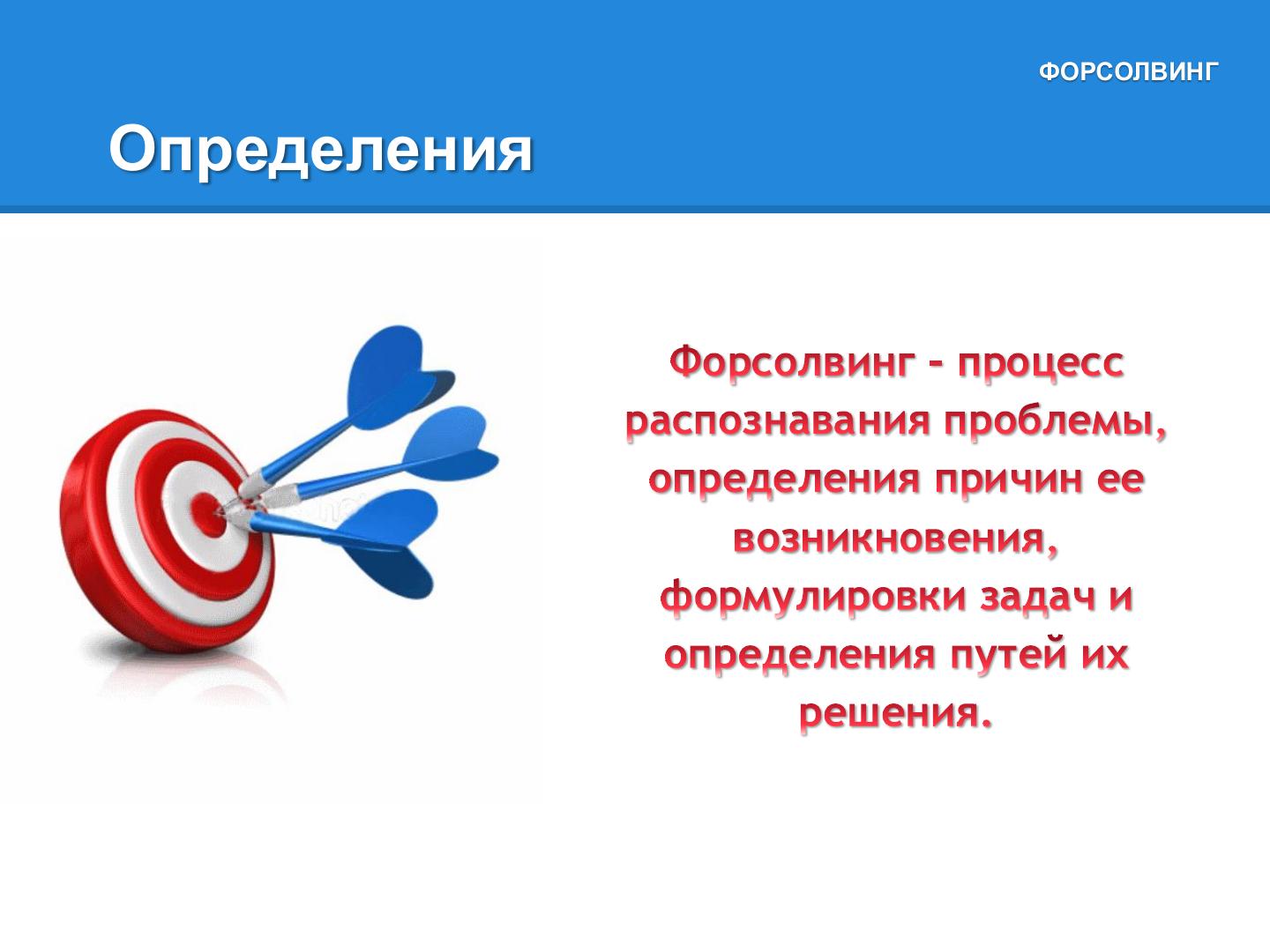
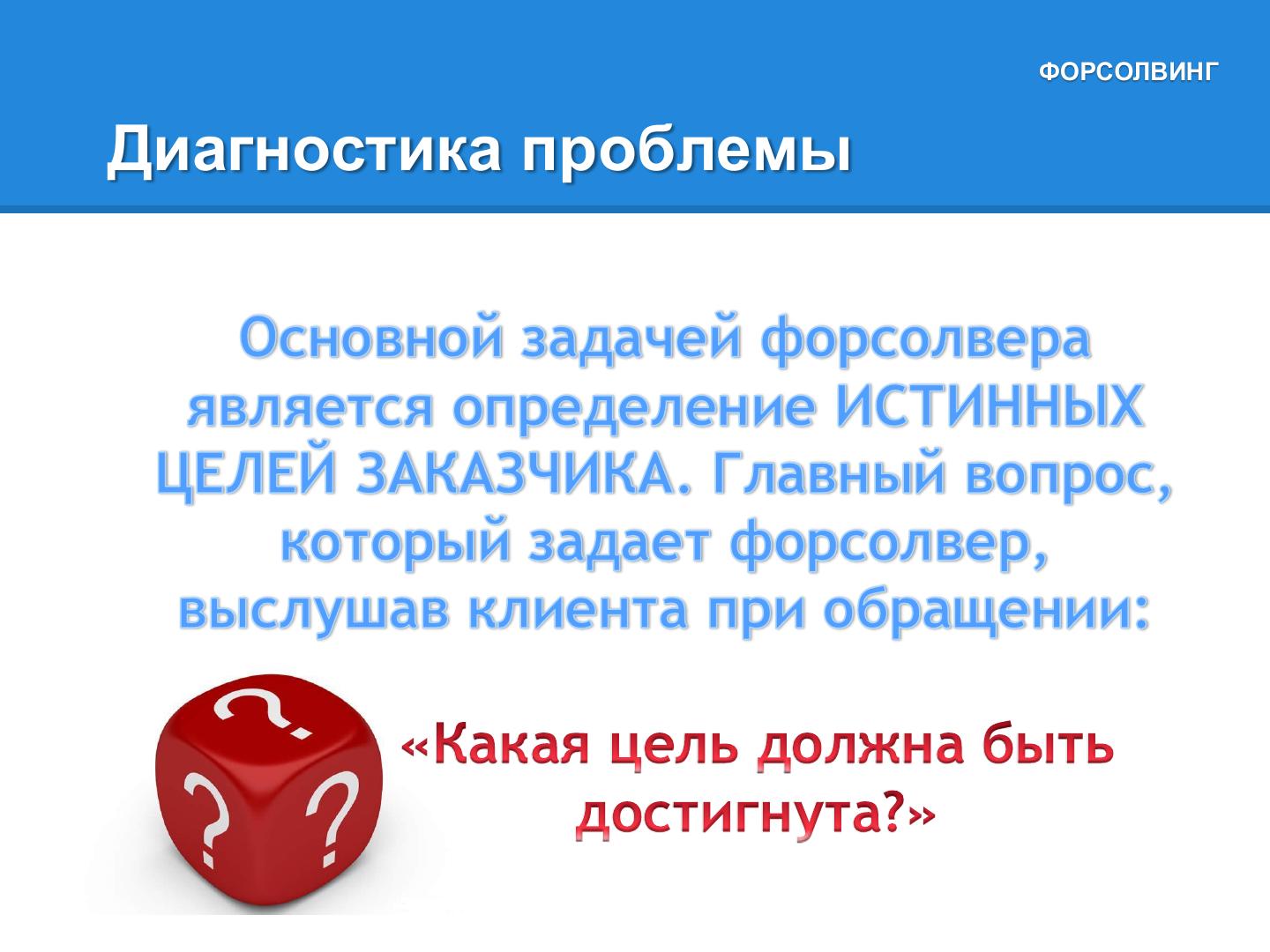
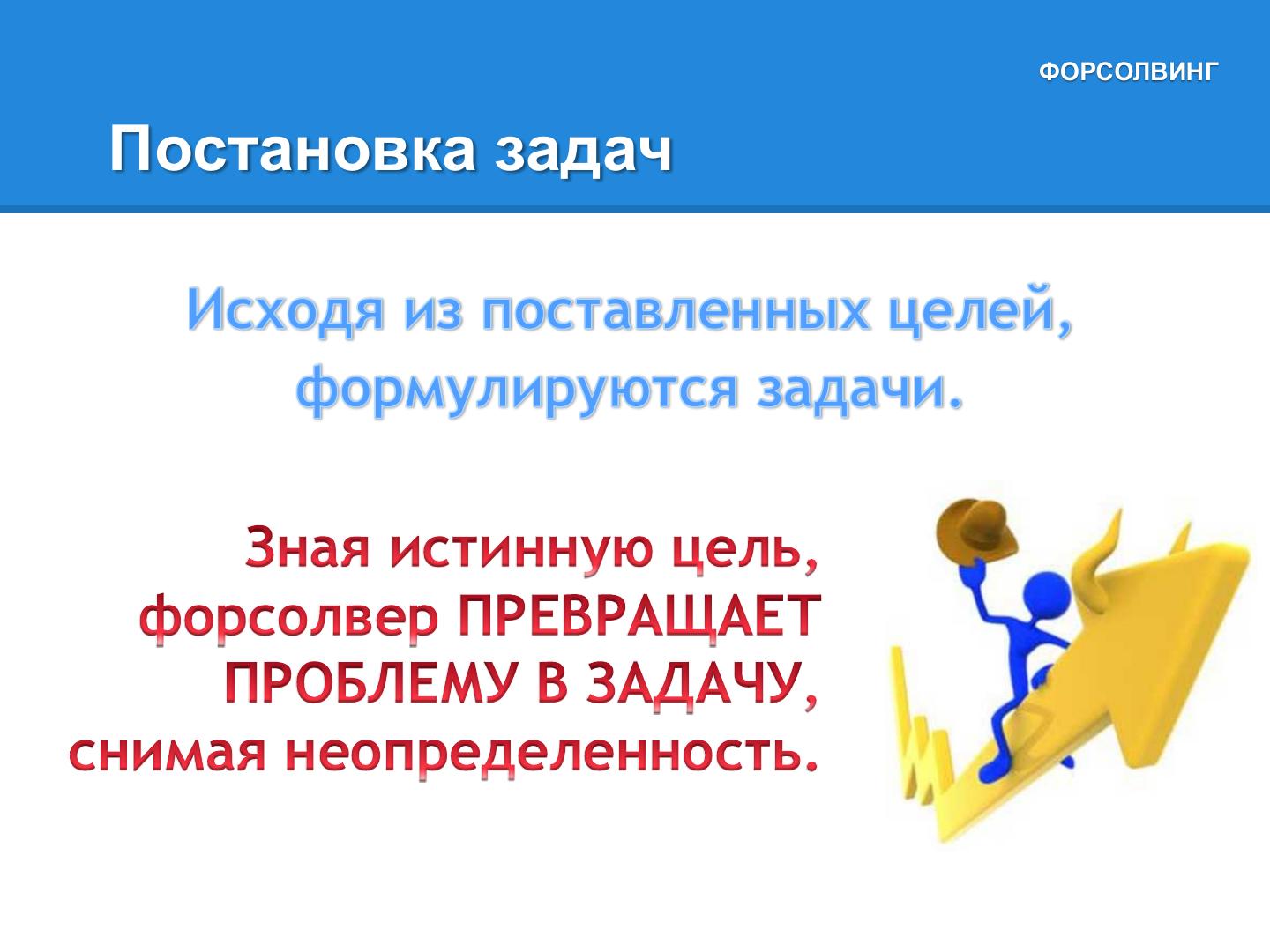
Forsolving began as a problem-solving framework in 2015. Today, Anton applies that foundation to agentic workflows and tested custom AI skills for people, AI agents, and human-AI teams.
Claude Certified Architect — Foundations. The Forsolving method remains model-agnostic.
Official credential verification provided by Credly.
Forsolving is a method for turning an ambiguous business problem into a verifiable operating skill for a person, an AI agent, or a human-AI team.
A prompt requests an output. A skill defines how work should be performed, validated, escalated, and repeated across real cases.
No. The evidence may show that the process should stay manual, be documented first, use AI assistance, or become software.
No. The method is model-agnostic and can work with Claude, ChatGPT, Gemini, or a mixed tool environment.
Bring one repeated task, five real examples, current source material, and a person who understands the exceptions.
We will identify the real goal, expose hidden exceptions, and decide whether the process is ready for a custom AI skill.
Diagnose a Process